The New Economy of 30 Million Slaves
Many people have heard of slavery and human trafficking in the sex industry, due to extensive media coverage. However, most of the world’s slavery consists of people trapped in forced labour in other domains.
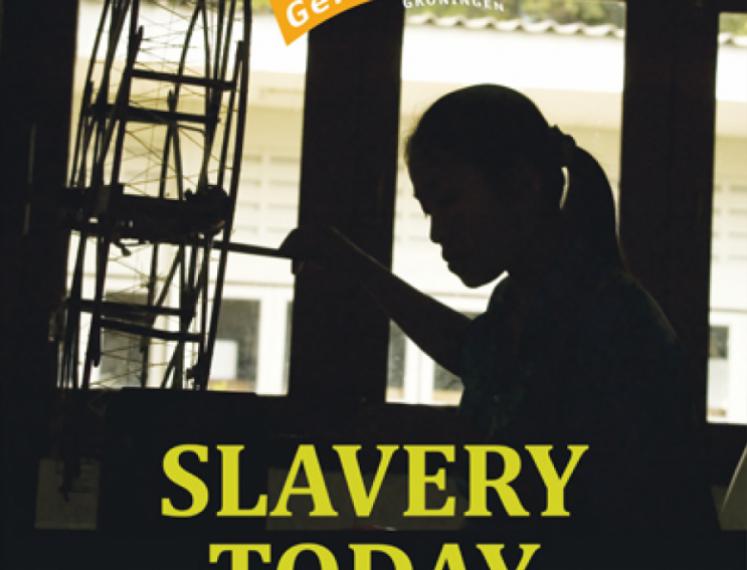
There are an estimated 30 million slaves in the world today, including 1.1 million slaves in Europe. Many people are aware of slavery and human trafficking in the sex industry, since the media have focused on it extensively. However, most of the world’s slavery consists of people trapped in forced labour in other sectors, such as agriculture, factories, mines, domestic service, construction, and hospitality.
This lecture lays out new research into the facts, figures and forms of global slavery and human trafficking. It offers a new, comprehensive definition of contemporary slavery. What are the main global forms and the root causes of slavery, and what is the prevalence in particular countries? Slavery is also present in supply chains, including in the products we consume in Europe. Do we have effective anti-slavery strategies?
Zoe Trodd is Professor of American and Canadian Studies at the University of Nottingham. Her main focus is protest movements, especially of historic and contemporary antislavery. Her books include ‘Modern Slavery: The Secret World of 27 Million People’ (2009) and ‘To Plead Our Own Cause: Personal Stories by Today’s Slaves’ (2008). She recently addressed the European Parliament Human Rights Subcommittee on the question of the EU's antislavery policy, and works with antislavery NGOs on their campaigns.
Audio recording lecture Zoe Trodd
Interesting links
Bookshop.Europa.eu - Addressing contemporary forms of slavery in EU external policy