Academy Building
Broerstraat 5
Groningen
Netherlands
To Be Kind
How can we remain kind when the world is an unjust and brutal place? Mohamedou Ould Slahi will share his experiences from 14 years of imprisonment in the notorious Guantánamo Bay detention camp, after the U.S. government suspected him of links to the 9/11 attacks.
In his memoir Guantánamo Diary, Ould Slahi describes enduring severe torture and a mock execution. In the moments he faced death, he had only one regret: not having been kind enough – to his mother, to his friends and to strangers on the streets. Today, he advocates kindness as a way of life.
During this college tour, he will share how to remain hopeful and forgiving when human rights and democratic values are under pressure. Alette Smeulers will join the conversation to reflect on why human rights and judicial independence remain essential, especially in times of war.
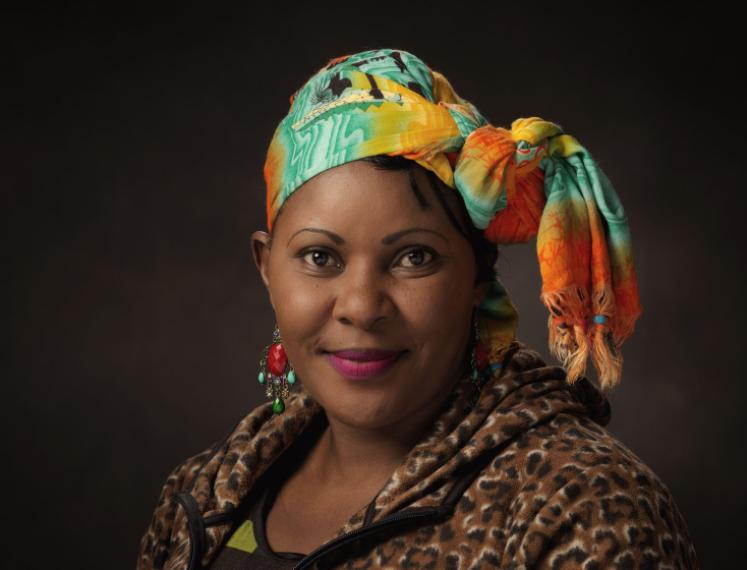
Mohamedou Ould Slahi grew up in Mauritania and studied electrical engineering in Duisburg, Germany. After the 9/11 attacks, he was detained at Guantánamo Bay, where the law did not apply. He documented his experiences in his memoir, Guantánamo Diary, which was later adapted into the film The Mauritanian. Today, he lives in the Netherlands and has worked with organizations such as De Balie and NITE to share his story with the world.
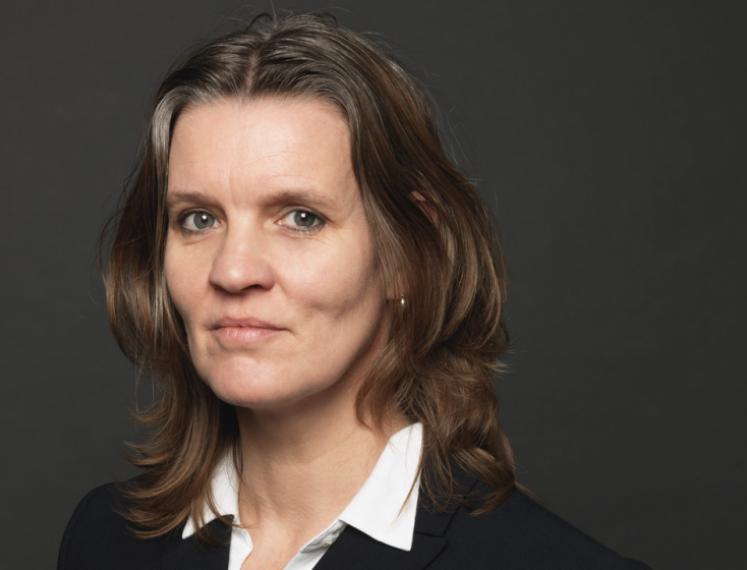
Alette Smeulers is Professor in International Crimes at the University of Groningen. Her research focuses on atrocities like genocide, crimes against humanity, war crimes, and terrorism. She is the author of the book Perpetrators of Mass Atrocities: Terribly and Terrifyingly Normal? (2024), which was also translated into Dutch with the title Angstaanjagend normaal (2025), and hosts a podcast series with Nicola Quaedvlieg on perpetrators of mass atrocities called Terribly and Terrifyingly Normal?
photography by Joerg Gruber