Academiegebouw
Broerstraat 5
Groningen
Nederland
The Future Is Fungi
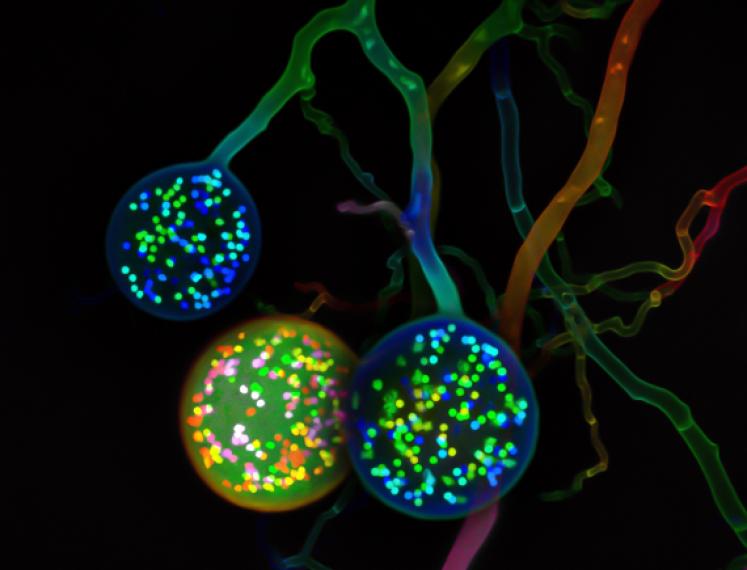
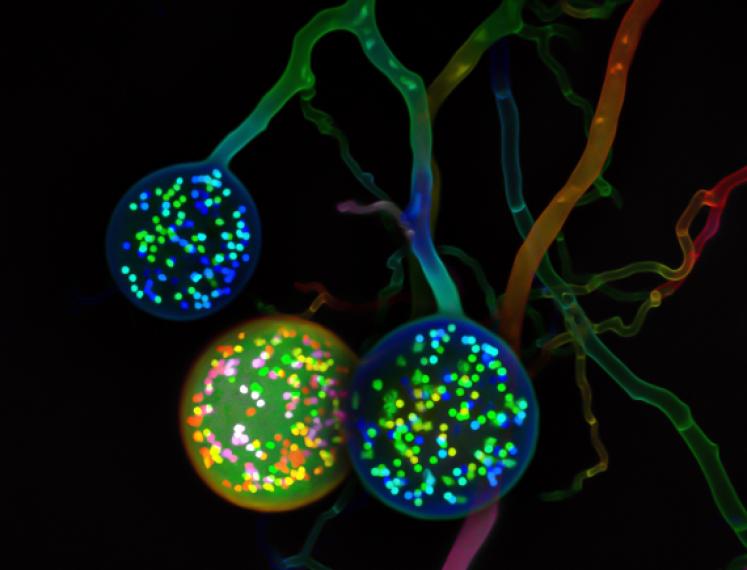
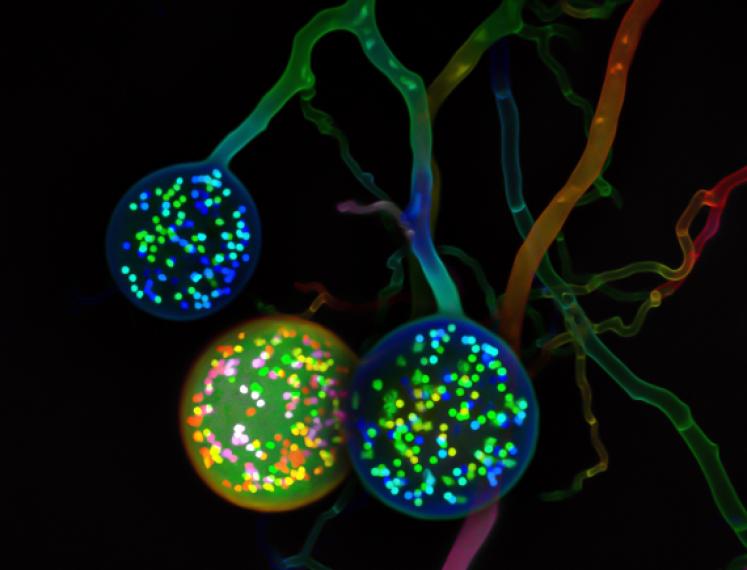
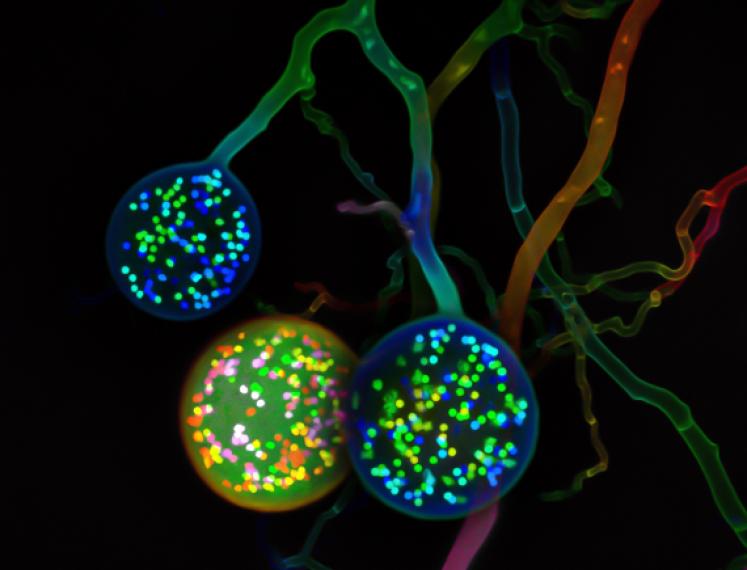
Fluffy coats, leather bags or a sweater made from fungi: would you step out in them, or is wearing fungi a bit too funky? Mycelium, the network of tiny filaments that fungi grow, offer a promising alternative to conventional materials such as polyester, cotton and leather which are widely used in the fashion industry. The fashion industry has a major environmental impact, accounting for 10% of global carbon emissions and 20% of global wastewater. Each year, an estimated half a million tonnes of microplastic fibres enter the ocean.
Tackling these challenges requires innovative solutions. Three creative thinkers explore the potential of fungi in fashion. Marleen Kamperman, Professor of Polymer Science, explains why fungi-based fabrics could be more sustainable than conventional textiles. Product designer Tjeerd Veenhoven presents the latest innovations and products made from mycelium. Together with Marijke Leliveld, Professor of Consumer Ethics, we explore a key question: would you wear fungi, and under what conditions?
Marleen Kamperman, Professor of Polymer Science, develops sustainable materials inspired by nature. Her research explores how biological processes can be used to create materials with unique properties, and how these principles can inspire new ways of producing and processing materials.
Marijke Leliveld, Professor of Consumer Ethics, studies how people make decisions when their personal interests conflict with the interests of others or the environment. Her research explores the psychological mechanisms behind these decisions and how they shape the way people perceive and evaluate organizations and brands.
Tjeerd Veenhoven has been a product and material designer for over 25 years. He has worked with overlooked natural materials such as algae, palm leaves and miscanthus, developing complete value chains from raw material to sustainable products. He currently works with fungi and mycelium, exploring how they can be grown, harvested and processed into textile materials.
©Photo: Vasilis Kokkoris