Academy Building
Broerstraat 5
Groningen
Nederland
Blood, Sweat & Tears
The human body is as leaky as a sieve. It sweats, spits, pisses, poops, bleeds, and sprays. But all those flowing fluids are essential for the healthy functioning of the body. Without saliva we can’t swallow or digest our food; without clotting blood our wounds won’t heal; without vaginal fluid and sperm, we couldn’t reproduce. Nowadays we quickly find pus, sweat and urine dirty and unhygienic, but that hasn't always been the case. How did that change?
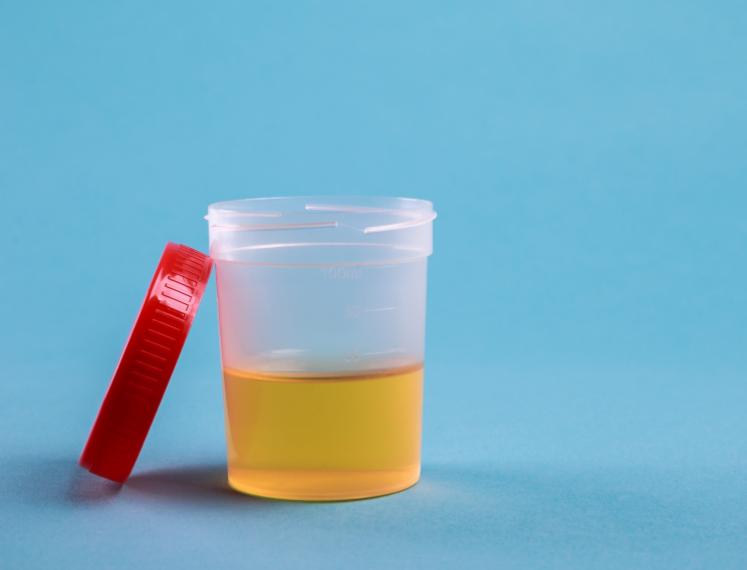
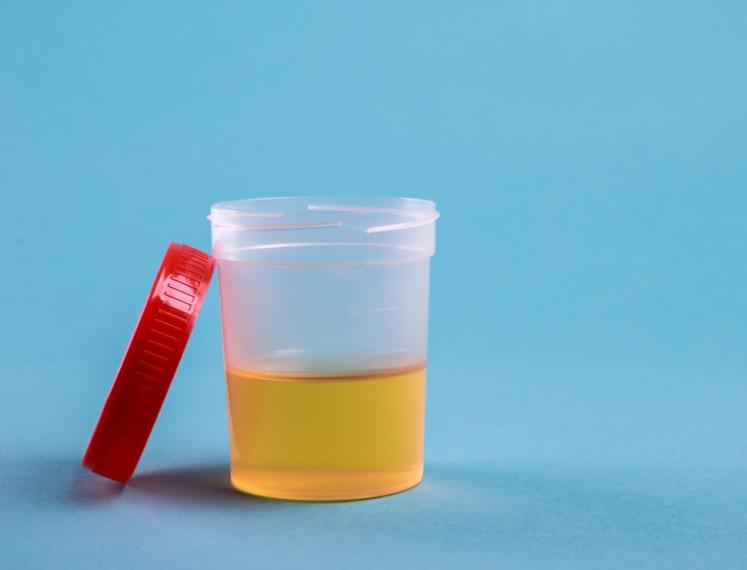
For example, imagine washing your clothes in rotting piss… wouldn’t that be disgusting?! Not if you lived about 200 years ago. The Dutch textile industry used hundreds and hundreds of liters of urine to wash raw sheep’s wool and to dye textiles in various colours. Urine stored in jugs will start to putrefy, producing ammonia, a substance which in a solution of water is a very effective cleaning fluid. Why do piss and numerous bodily fluids like sweat and menstrual blood have an aura of taboo and ignite feelings of disgust in us? And why did people in the past experience these fluids of earwax and spit quite differently?
Historian Ruben Verwaal, author of the popular science book Bloed Zweet en Tranen (2023) (Blood, Sweat and Tears (ed.)) explores these and other pungent questions in a short talk. After this, Verwaal will be interviewed by historian Karen Hollewand.
Ruben Verwaal works as curator and historian in the field of medical humanities at Erasmus MC. He combines history of science and medicine with the study of material and visual culture. His research focuses on d/Deafness, bodily fluids, and medical heritage.
Karen Hollenwand is assistant professor at the University of Groningen and works on the history of sexuality, gender, and the body, in the period between 1650 and today. Currently, she is developing a research project on the University of Groningen’s historical obstetrical and gynaecological collection, in line with her work on the history of the female body.